
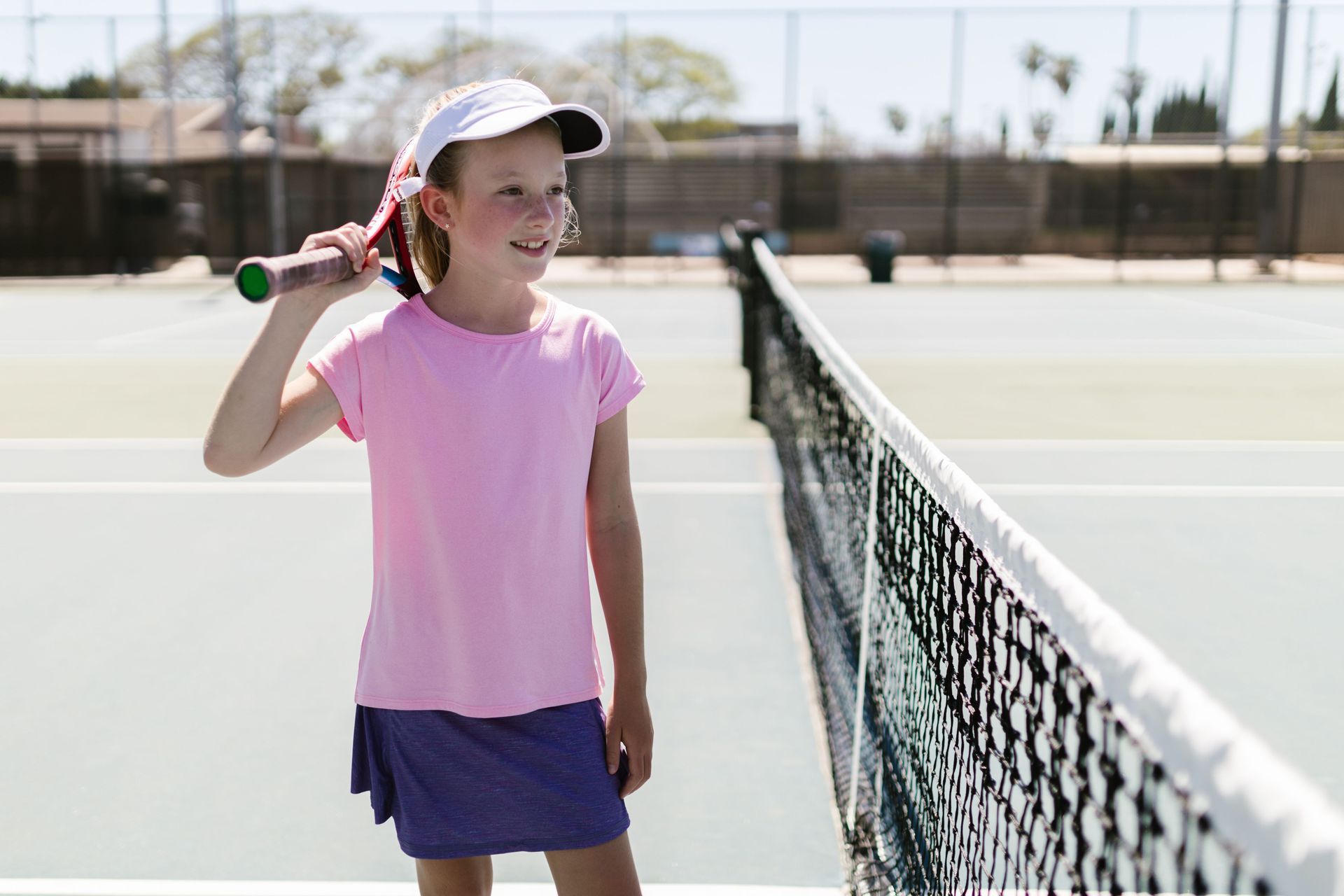
Getting your kid cleared for fall sports in Alaska? Learn what ASAA requires, when to schedule, and when a specialist should sign off.
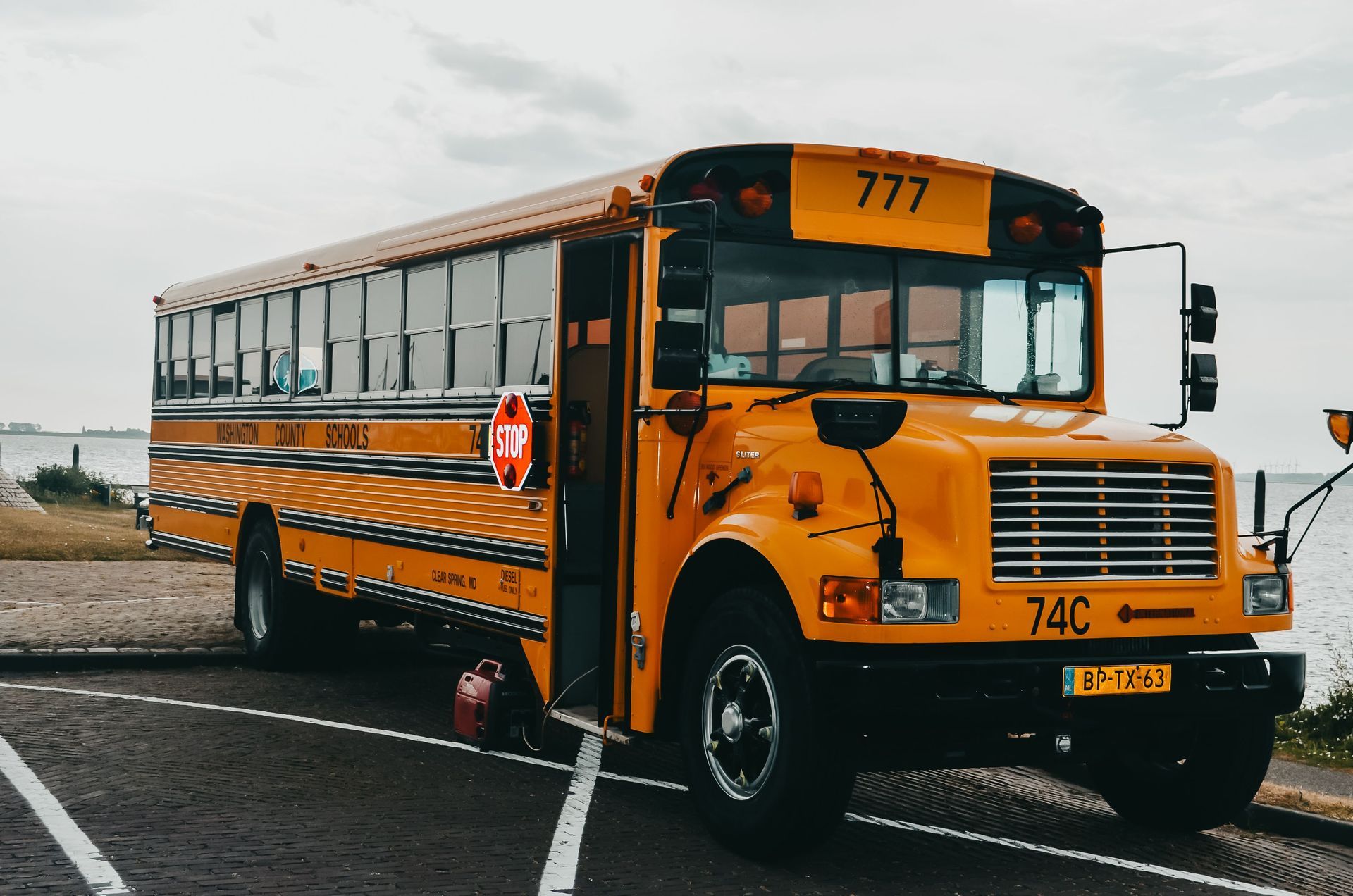
Back-to-school prep in Alaska means more than fitting backpacks and school supply shopping. The walk to the bus stop alone comes with risks most Lower 48 families never have to think about. Here's what parents need to know before the first bell rings in Alaska.
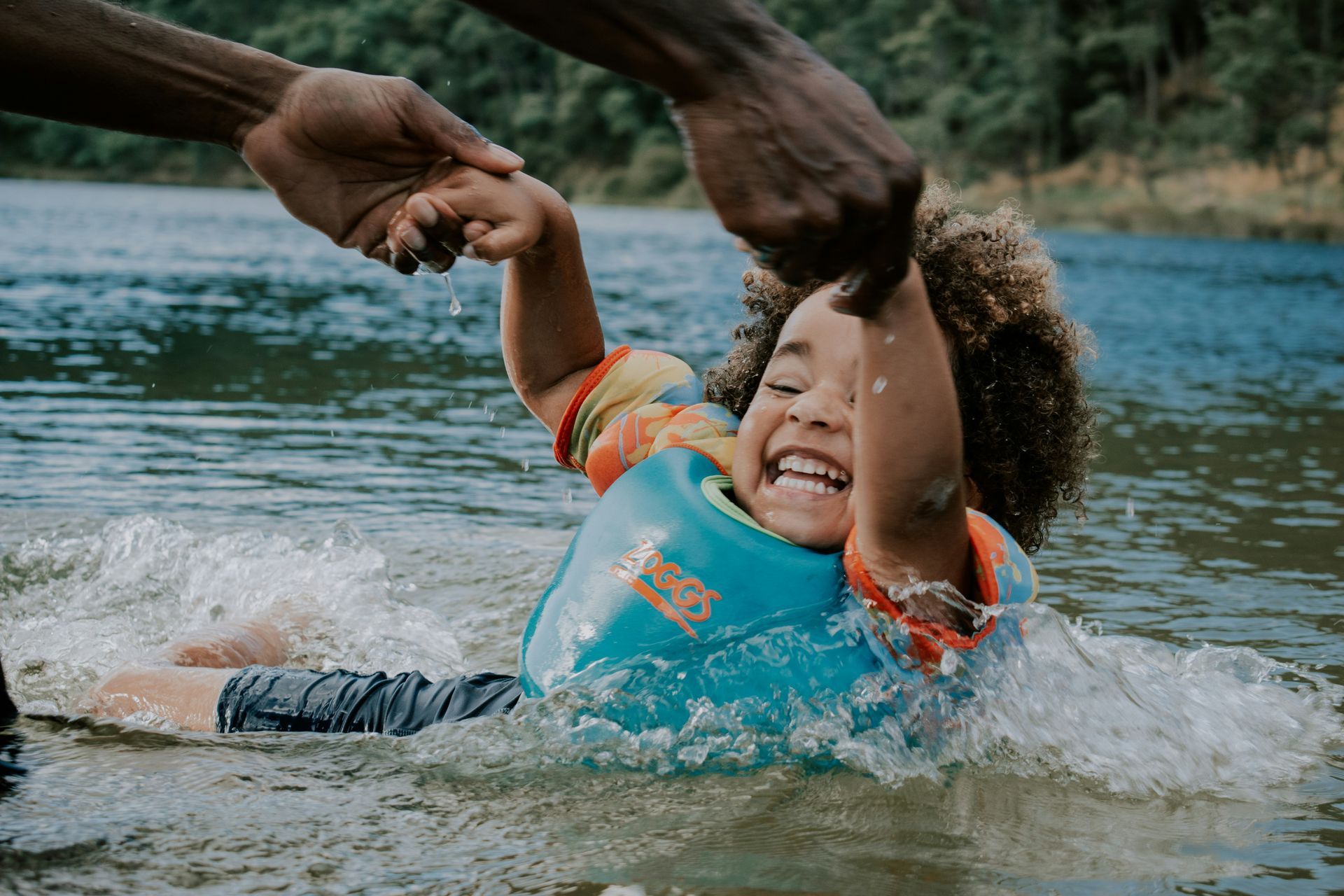
What Is Cold Water Shock and Why Should Parents Know About It?
Think you can't get sunburned in Alaska? The UV index in Anchorage hits 'high' levels every summer. Here's what parents need to know about protecting kids' skin at high latitudes.
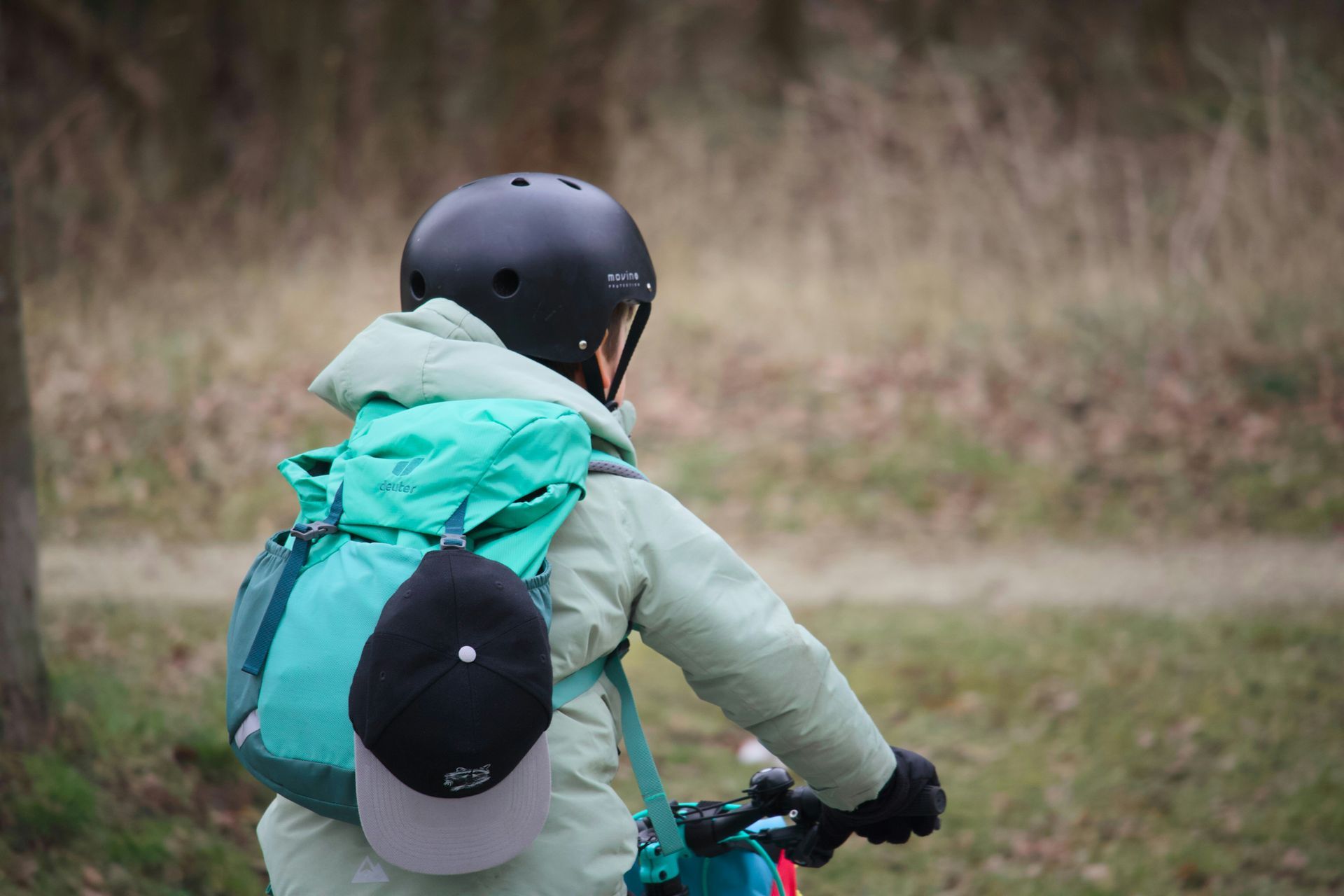
Spring in Alaska doesn't flip a switch. One day your kid is sledding down the backyard hill. The next, they're pulling a bike out of the garage while there's still snow on the ground. While they don’t need to stay inside because of the “what ifs,” here are a few questions to ask and things to know before your kids head outside during this in-between season. Is Your Kid's Helmet Actually Doing Its Job? Helmets are designed to absorb a single impact. After that, the foam inside may be compromised even if it looks fine on the outside. If the helmet has taken a hit — even one that didn't seem like a big deal — it's time for a new one. A properly fitted helmet should sit level and low on the forehead, about one to two finger-widths above the eyebrows. The straps should form a V-shape under each ear, and only one finger should fit between the chin strap and your child's chin. If it rocks forward, backward, or side to side, it doesn't fit. Kids grow fast, so check the fit at the start of every season. And if you're shopping, look for the CPSC sticker inside. That tells you it meets federal safety standards. Good news for Anchorage families: the Anchorage Fire Department is currently giving away free kids' helmets at fire stations across the city through their partnership with Safe Kids Alaska. What About That Weird Period When There's Still Snow and Bikes Are Out? Welcome to Alaska spring. The roads might be clear enough to ride, but sidewalks and trails can still be icy, muddy, or uneven — exactly the kind of surface that leads to falls. Add in a kid whose muscles haven't done much running or pedaling since October, and you've got a recipe for strains, sprains, and wipeouts. A few things that help: ease back into it. Let kids build up to longer rides and runs instead of going full speed on day one. Cold muscles are tight muscles, and tight muscles are more injury-prone — especially in Alaska's chilly spring mornings. Do Kids Really Need Visibility Gear in Spring? Yes. Alaska spring mornings are still dim early on, and drivers aren't always expecting bikes on the road yet. Bright or reflective gear, front and rear bike lights, and light-colored clothing all make a difference — especially during that early-season stretch when everyone's adjusting. What About Layering for Active Play? A good rule of thumb: shedding layers is easier than adding them. Dress kids in moisture-wicking base layers (no cotton), an insulating mid-layer, and a wind- or water-resistant outer shell. Active kids sweat even when it's 38 degrees out, and wet cotton against skin is a fast track to getting cold. Swap soggy layers when they come in for breaks. Spring in Alaska is exciting. A little prep goes a long way toward keeping it fun — and keeping your kids out of our office for anything other than a checkup. Alaska Pediatric Specialties is the only locally owned pediatric specialty group in Alaska, with clinics in Anchorage, Fairbanks, Wasilla, and communities across the state. To learn more or schedule an appointment, call (907) 929-7337 or visit alaskapeds.com .
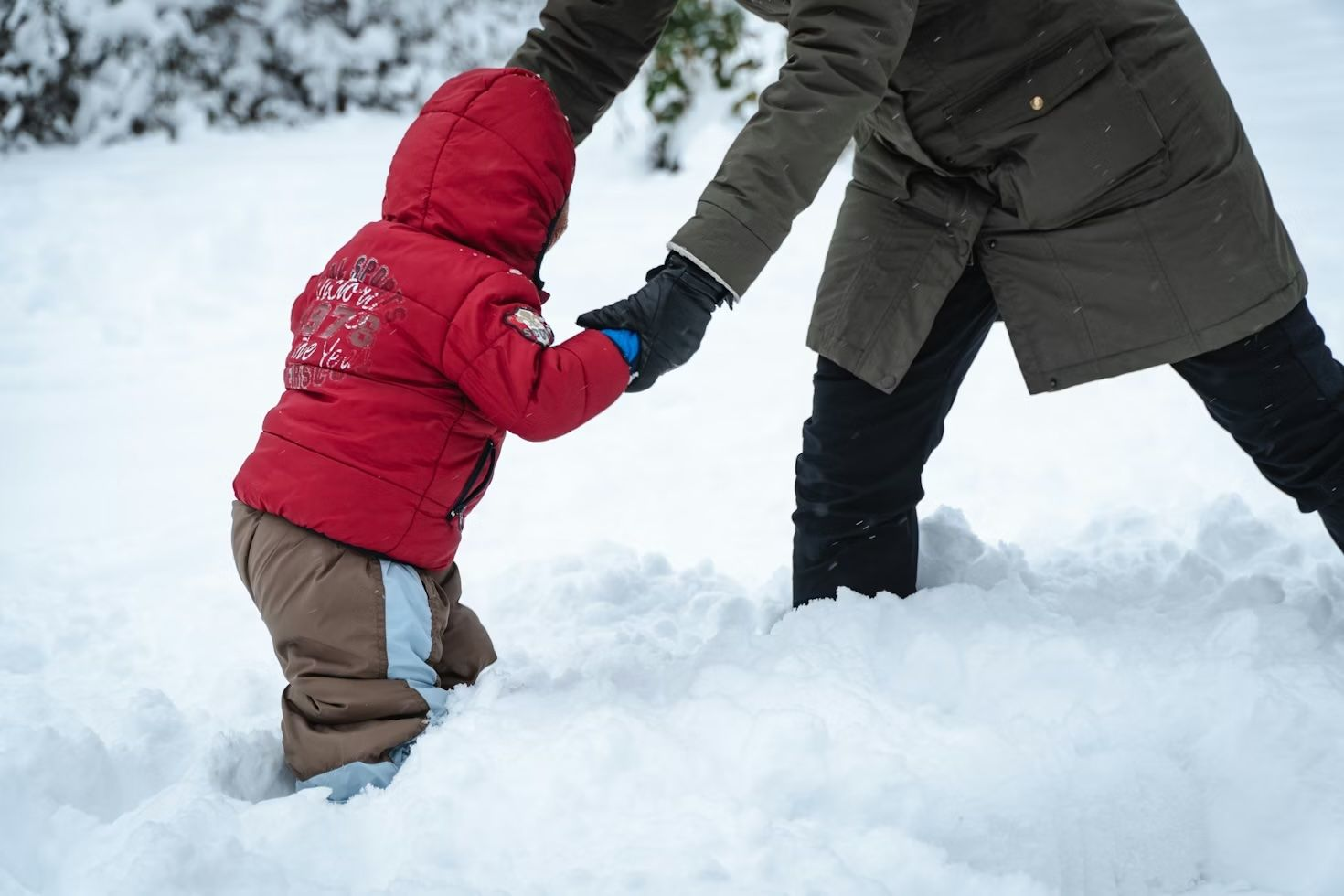
Manage pediatric GI conditions this winter with nutrition tips & advice on when to seek help. Contact us for support!
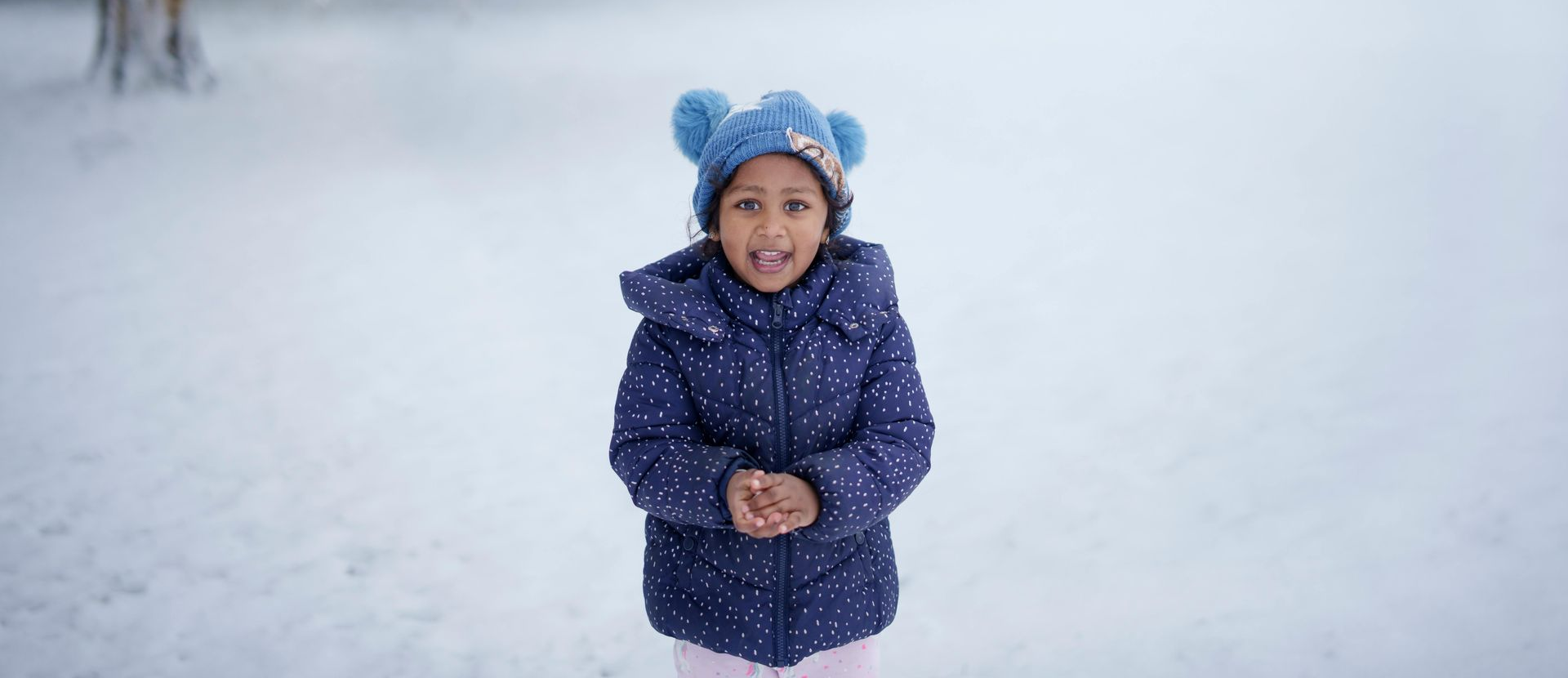
Planning a child’s surgery in January? Discover essential tips for travel, clothing, and home recovery from the experts at Alaska Pediatric Specialties.