

Back-to-school prep in Alaska means more than fitting backpacks and school supply shopping. The walk to the bus stop alone comes with risks most Lower 48 families never have to think about. Here's what parents need to know before the first bell rings in Alaska.

What Is Cold Water Shock and Why Should Parents Know About It?

Think you can't get sunburned in Alaska? The UV index in Anchorage hits 'high' levels every summer. Here's what parents need to know about protecting kids' skin at high latitudes.
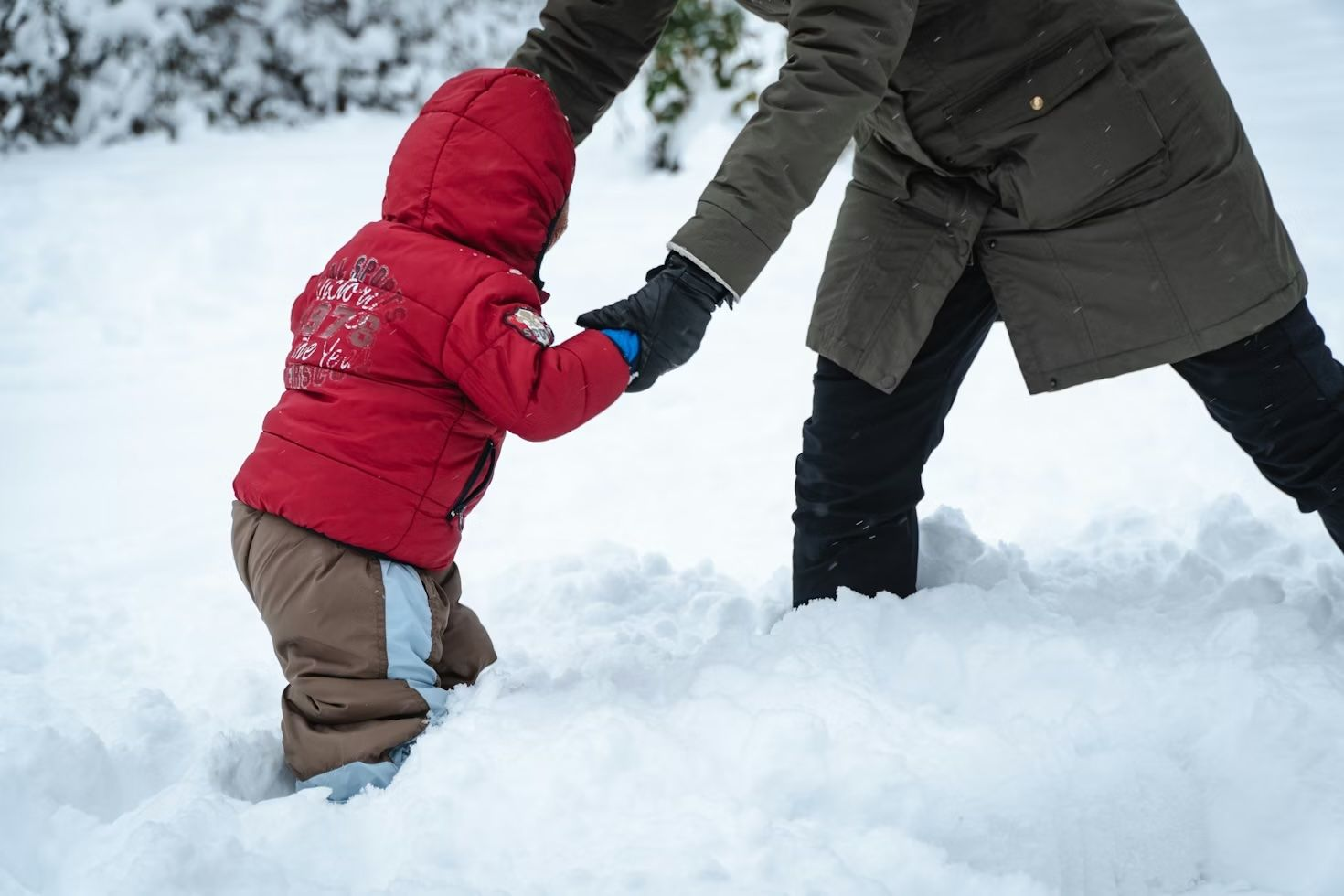
Alaska’s winter brings snow-covered landscapes, cozy routines, and a natural slowing of daily life. For families managing pediatric gastrointestinal (GI) conditions, this season can also present unique challenges. Changes in activity levels, limited access to fresh foods, and increased exposure to seasonal illnesses can sometimes affect a child’s digestive health. With the right knowledge and support, winter can still be a time of stability, comfort, and confidence for both children and caregivers. How Winter Can Affect Pediatric GI Health Cold temperatures and shorter days often lead to shifts in routines. Children may be less active, spend more time indoors, and gravitate toward comfort foods. For kids with GI conditions such as reflux, constipation, irritable bowel symptoms, celiac disease, or inflammatory bowel conditions, these changes may contribute to symptom flares. Winter illnesses, dehydration, and disruptions to sleep can also play a role. The good news is that awareness and preparation can make a meaningful difference. Many families find that winter is an opportunity to build consistent habits that support digestive health. Nutrition Tips for Alaska’s Winter Months Nutrition remains one of the most powerful tools for managing pediatric GI conditions, even when fresh produce is harder to come by. Focus on warm, nourishing meals: Soups, stews, and slow-cooked dishes are gentle on digestion and easy to tailor to your child’s dietary needs. Use frozen and shelf-stable options: Frozen fruits and vegetables retain much of their nutritional value and are often easier to access during winter. Prioritize fiber and fluids: Constipation can be more common in colder months. Encourage fiber-rich foods that your child tolerates well and remind them to drink water regularly, even when they don’t feel thirsty. Maintain routine meal times: Predictable eating schedules can help regulate digestion and reduce discomfort. If your child follows a specialized diet, such as gluten-free or low-FODMAP, planning ahead can help ensure consistent nutrition throughout the season. Recognizing and Managing Symptom Flares Despite best efforts, flares can still happen. Pay attention to changes such as increased abdominal pain, bloating, changes in bowel habits, nausea, vomiting, or unexplained fatigue. Keeping a simple symptom or food log during winter months can help identify patterns and triggers. During flares, gentle meals, adequate rest, and stress reduction can be helpful. Emotional well-being matters too, as stress and anxiety can influence gut health, especially in children. When to Seek Help It’s important to reach out to a pediatric GI specialist if symptoms are persistent, worsening, or interfering with your child’s daily life. Warning signs that should prompt a call include: Ongoing abdominal pain or vomiting Blood in stool Poor weight gain or weight loss Severe constipation or diarrhea Symptoms that do not improve with usual management strategies Early evaluation can help prevent complications and provide reassurance during the winter months. Supporting Your Child All Season Long Winter in Alaska encourages families to slow down, connect, and create supportive routines. By focusing on balanced nutrition, monitoring symptoms, and knowing when to seek guidance, families can help children with GI conditions thrive year-round. At Alaska Pediatric Specialties, our team is here to support families through every season. With the right care and partnership, winter can be a time of resilience, growth, and continued digestive health for your child.

Alaska’s coldest month can feel especially long for families navigating childhood cancer treatment. Short daylight hours, extreme temperatures, and limited outdoor activity add layers of challenge to an already demanding journey. Yet even during the deepest cold, there are meaningful ways families, caregivers, and medical teams can help children feel supported, safe, and hopeful. At Alaska Pediatric Specialties, we recognize that caring for a child with cancer extends far beyond medical treatment. Emotional comfort, routine, and connection play a vital role in helping children thrive, even during winter’s harshest weeks. Creating Warmth Beyond the Weather Cold temperatures often mean more time indoors, which can be both a challenge and an opportunity. Creating a cozy, comforting environment at home or in the hospital helps children feel secure. Favorite blankets, warm pajamas, stuffed animals, and familiar items can provide reassurance during treatments and recovery. Consistency also matters. Keeping regular routines for meals, sleep, schoolwork, or play helps children feel a sense of normalcy, even when their days include medical appointments or hospital stays. Supporting Emotional Well-Being Children undergoing cancer treatment may experience fear, frustration, or sadness, feelings that can feel amplified during dark winter months. Encouraging open conversations about emotions helps children feel heard and understood. Simple check-ins like “How are you feeling today?” can go a long way. Creative outlets are especially helpful in winter. Drawing, storytelling, music, or simple crafts allow children to express emotions they may not yet have words for. These activities also provide moments of joy and distraction during difficult days. Staying Connected During Winter Isolation Alaska’s winter weather can limit travel and social interaction, but staying connected remains essential. Video calls with friends, classmates, or extended family help children maintain important relationships. For school-aged children, virtual learning or tutoring can provide structure while keeping them engaged academically and socially. Healthcare teams also remain a critical source of connection. Regular communication with providers helps families feel supported and reassured, even when weather conditions make travel more difficult. Prioritizing Physical Comfort and Health Cold weather can impact immune health, which is especially important for children undergoing cancer treatment. Dressing in layers, keeping indoor spaces warm, and practicing good hygiene all support physical well-being. Families should feel empowered to ask their care team questions about winter-specific concerns, including travel safety and infection prevention. Finding Strength and Hope in the Season While Alaska’s coldest month brings challenges, it also reflects resilience. Children facing cancer treatment often show incredible strength, adaptability, and courage, qualities mirrored in the Alaskan spirit itself. Celebrating small victories, whether it’s completing a treatment, enjoying a favorite activity, or sharing a laugh, helps build hope during the darkest days. At Alaska Pediatric Specialties, we are honored to support children and families throughout every season of care. Even in the coldest month, warmth can be found in compassion, connection, and the shared goal of helping every child heal and thrive.

Planning a child’s surgery in January? Discover essential tips for travel, clothing, and home recovery from the experts at Alaska Pediatric Specialties.