
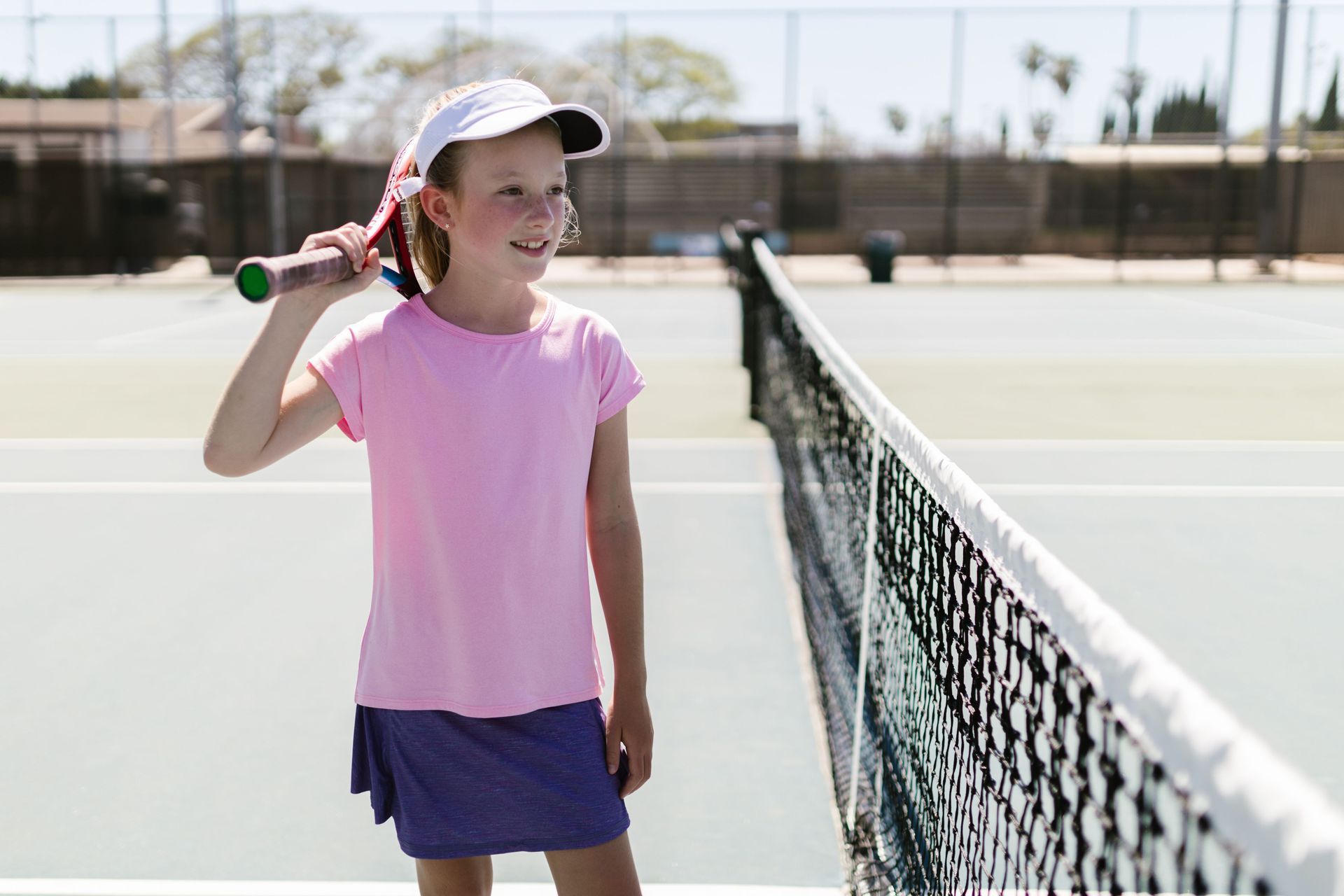
Getting your kid cleared for fall sports in Alaska? Learn what ASAA requires, when to schedule, and when a specialist should sign off.
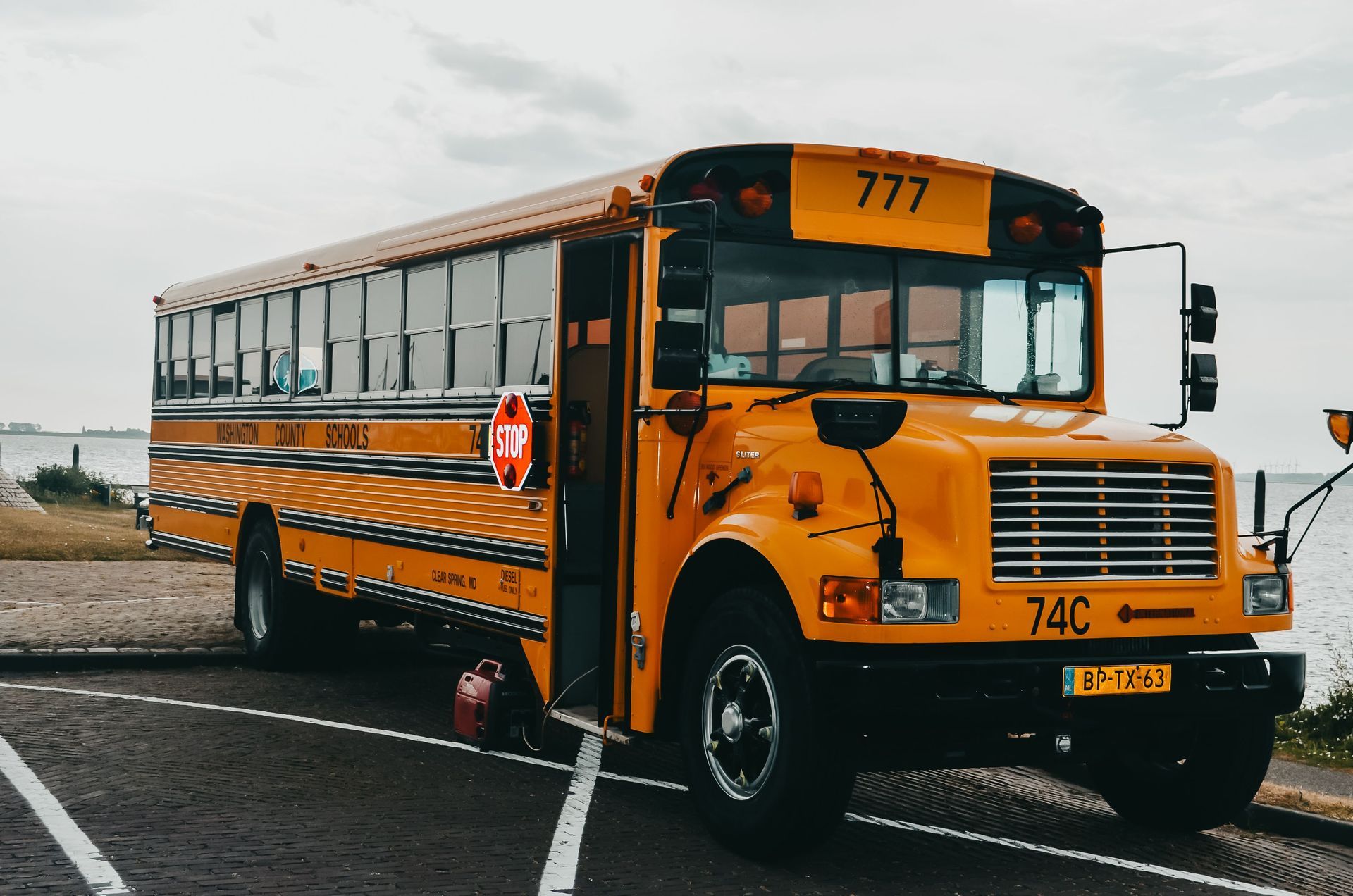
Back-to-school prep in Alaska means more than fitting backpacks and school supply shopping. The walk to the bus stop alone comes with risks most Lower 48 families never have to think about. Here's what parents need to know before the first bell rings in Alaska.
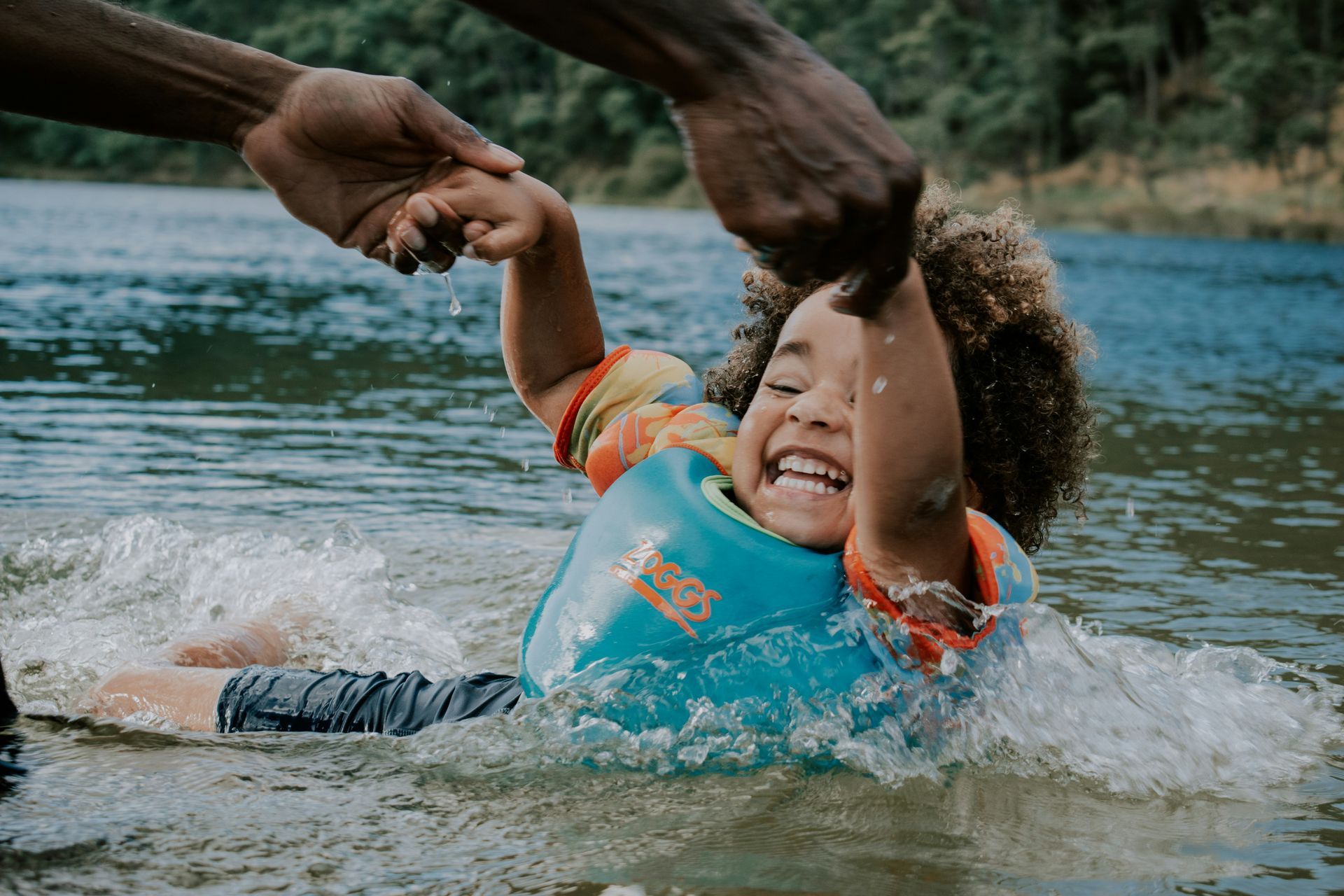
What Is Cold Water Shock and Why Should Parents Know About It?
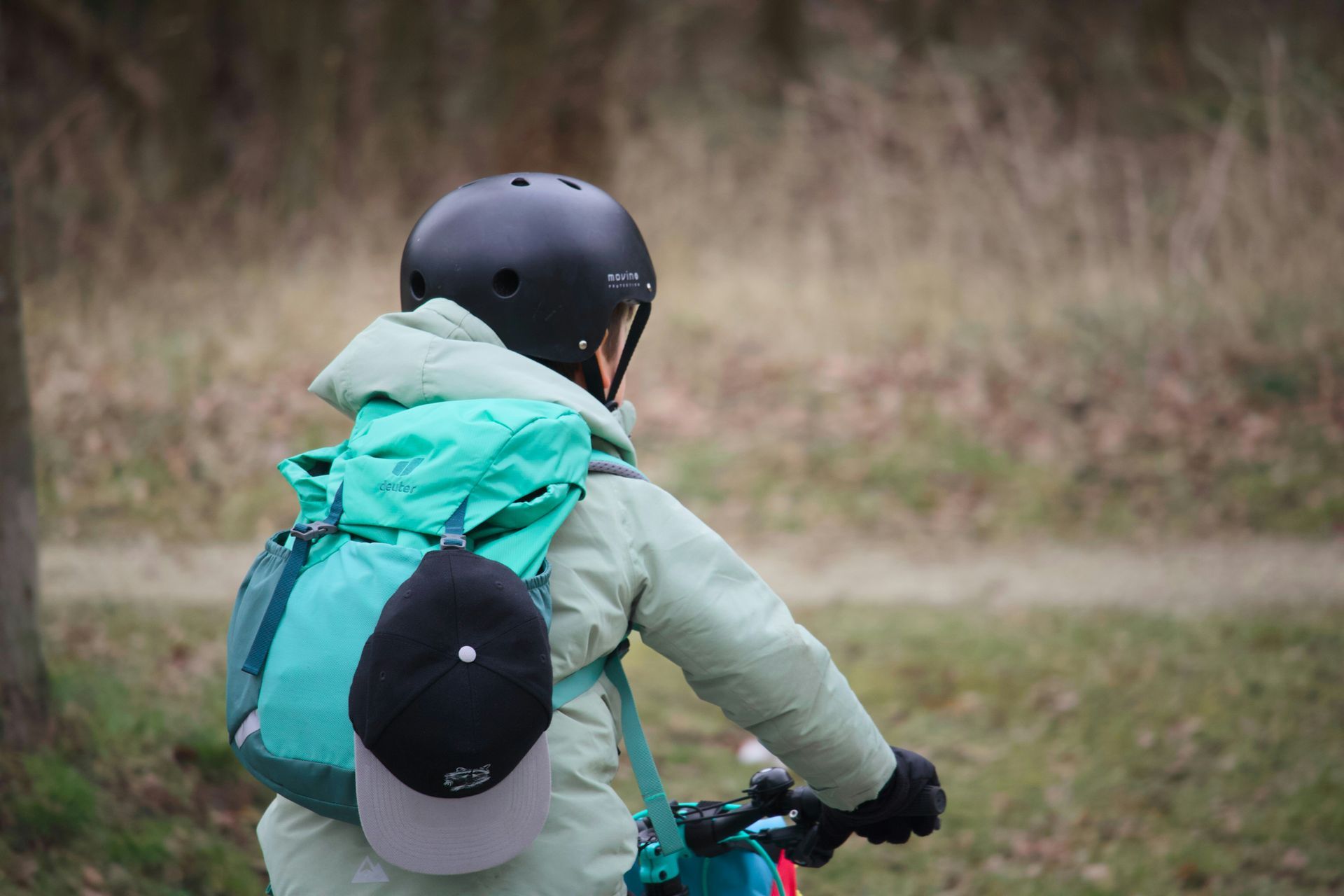
Spring in Alaska doesn't flip a switch. One day your kid is sledding down the backyard hill. The next, they're pulling a bike out of the garage while there's still snow on the ground. While they don’t need to stay inside because of the “what ifs,” here are a few questions to ask and things to know before your kids head outside during this in-between season. Is Your Kid's Helmet Actually Doing Its Job? Helmets are designed to absorb a single impact. After that, the foam inside may be compromised even if it looks fine on the outside. If the helmet has taken a hit — even one that didn't seem like a big deal — it's time for a new one. A properly fitted helmet should sit level and low on the forehead, about one to two finger-widths above the eyebrows. The straps should form a V-shape under each ear, and only one finger should fit between the chin strap and your child's chin. If it rocks forward, backward, or side to side, it doesn't fit. Kids grow fast, so check the fit at the start of every season. And if you're shopping, look for the CPSC sticker inside. That tells you it meets federal safety standards. Good news for Anchorage families: the Anchorage Fire Department is currently giving away free kids' helmets at fire stations across the city through their partnership with Safe Kids Alaska. What About That Weird Period When There's Still Snow and Bikes Are Out? Welcome to Alaska spring. The roads might be clear enough to ride, but sidewalks and trails can still be icy, muddy, or uneven — exactly the kind of surface that leads to falls. Add in a kid whose muscles haven't done much running or pedaling since October, and you've got a recipe for strains, sprains, and wipeouts. A few things that help: ease back into it. Let kids build up to longer rides and runs instead of going full speed on day one. Cold muscles are tight muscles, and tight muscles are more injury-prone — especially in Alaska's chilly spring mornings. Do Kids Really Need Visibility Gear in Spring? Yes. Alaska spring mornings are still dim early on, and drivers aren't always expecting bikes on the road yet. Bright or reflective gear, front and rear bike lights, and light-colored clothing all make a difference — especially during that early-season stretch when everyone's adjusting. What About Layering for Active Play? A good rule of thumb: shedding layers is easier than adding them. Dress kids in moisture-wicking base layers (no cotton), an insulating mid-layer, and a wind- or water-resistant outer shell. Active kids sweat even when it's 38 degrees out, and wet cotton against skin is a fast track to getting cold. Swap soggy layers when they come in for breaks. Spring in Alaska is exciting. A little prep goes a long way toward keeping it fun — and keeping your kids out of our office for anything other than a checkup. Alaska Pediatric Specialties is the only locally owned pediatric specialty group in Alaska, with clinics in Anchorage, Fairbanks, Wasilla, and communities across the state. To learn more or schedule an appointment, call (907) 929-7337 or visit alaskapeds.com .
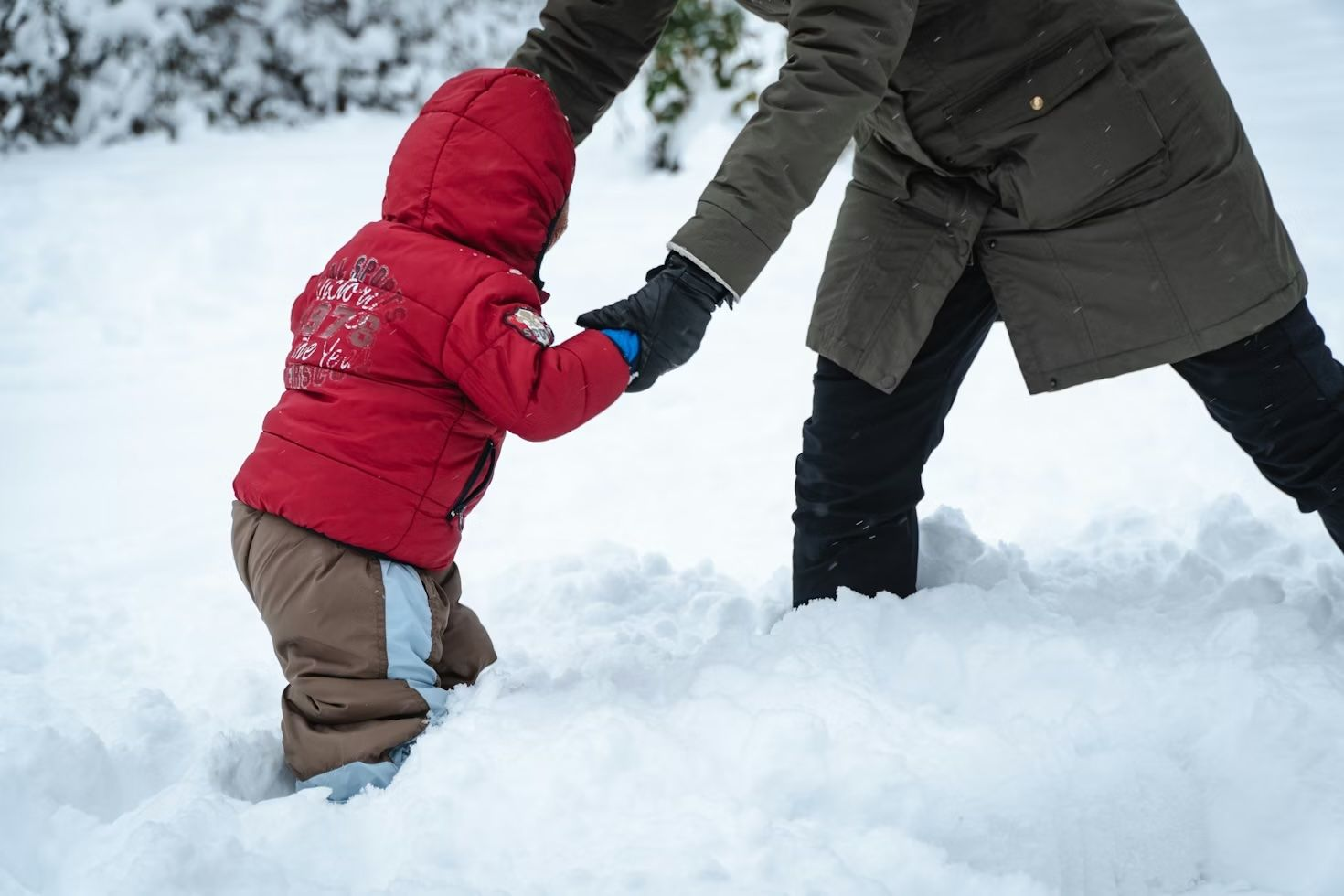
Manage pediatric GI conditions this winter with nutrition tips & advice on when to seek help. Contact us for support!
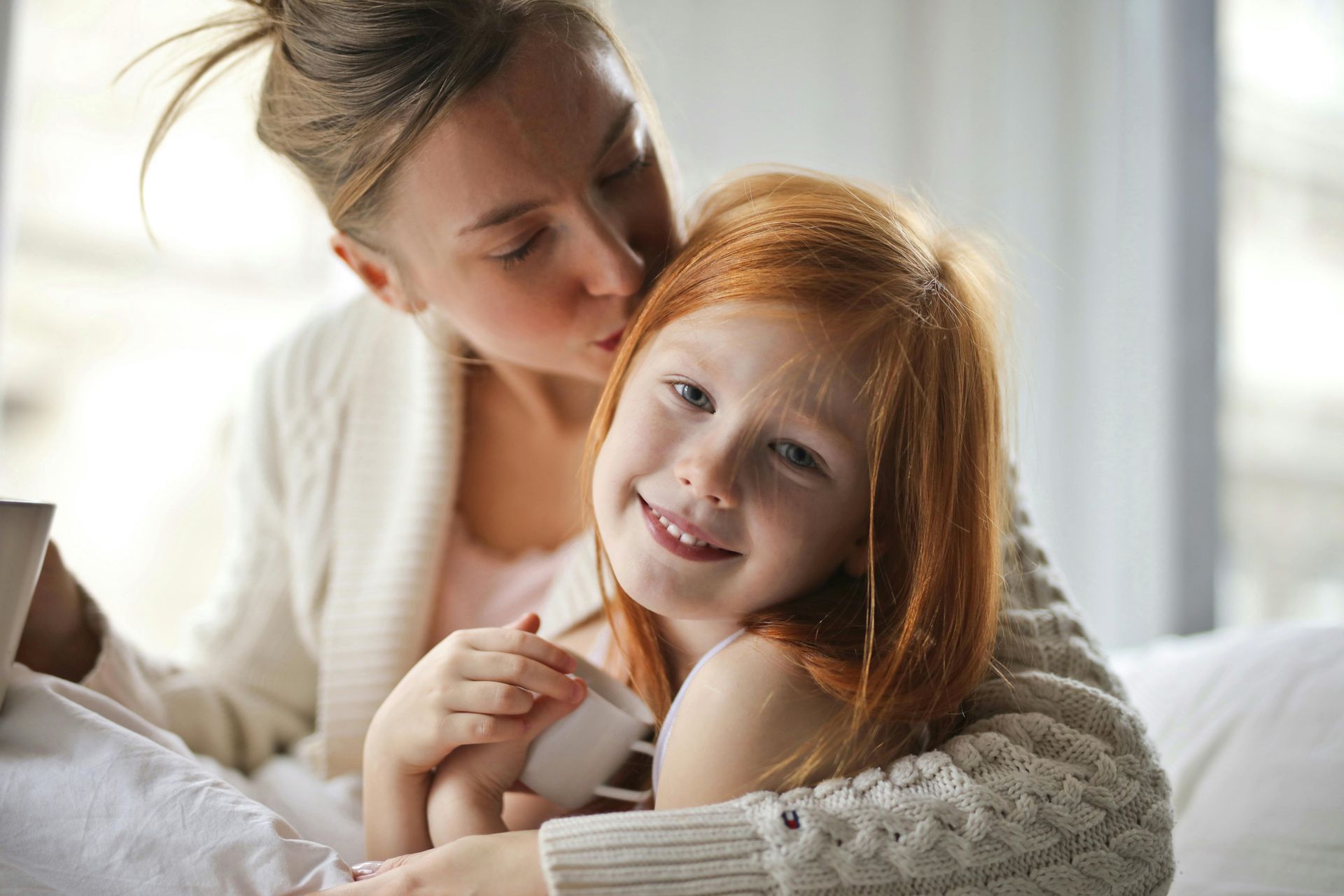
Alaska’s coldest month can feel especially long for families navigating childhood cancer treatment. Short daylight hours, extreme temperatures, and limited outdoor activity add layers of challenge to an already demanding journey. Yet even during the deepest cold, there are meaningful ways families, caregivers, and medical teams can help children feel supported, safe, and hopeful. At Alaska Pediatric Specialties, we recognize that caring for a child with cancer extends far beyond medical treatment. Emotional comfort, routine, and connection play a vital role in helping children thrive, even during winter’s harshest weeks. Creating Warmth Beyond the Weather Cold temperatures often mean more time indoors, which can be both a challenge and an opportunity. Creating a cozy, comforting environment at home or in the hospital helps children feel secure. Favorite blankets, warm pajamas, stuffed animals, and familiar items can provide reassurance during treatments and recovery. Consistency also matters. Keeping regular routines for meals, sleep, schoolwork, or play helps children feel a sense of normalcy, even when their days include medical appointments or hospital stays. Supporting Emotional Well-Being Children undergoing cancer treatment may experience fear, frustration, or sadness, feelings that can feel amplified during dark winter months. Encouraging open conversations about emotions helps children feel heard and understood. Simple check-ins like “How are you feeling today?” can go a long way. Creative outlets are especially helpful in winter. Drawing, storytelling, music, or simple crafts allow children to express emotions they may not yet have words for. These activities also provide moments of joy and distraction during difficult days. Staying Connected During Winter Isolation Alaska’s winter weather can limit travel and social interaction, but staying connected remains essential. Video calls with friends, classmates, or extended family help children maintain important relationships. For school-aged children, virtual learning or tutoring can provide structure while keeping them engaged academically and socially. Healthcare teams also remain a critical source of connection. Regular communication with providers helps families feel supported and reassured, even when weather conditions make travel more difficult. Prioritizing Physical Comfort and Health Cold weather can impact immune health, which is especially important for children undergoing cancer treatment. Dressing in layers, keeping indoor spaces warm, and practicing good hygiene all support physical well-being. Families should feel empowered to ask their care team questions about winter-specific concerns, including travel safety and infection prevention. Finding Strength and Hope in the Season While Alaska’s coldest month brings challenges, it also reflects resilience. Children facing cancer treatment often show incredible strength, adaptability, and courage, qualities mirrored in the Alaskan spirit itself. Celebrating small victories, whether it’s completing a treatment, enjoying a favorite activity, or sharing a laugh, helps build hope during the darkest days. At Alaska Pediatric Specialties, we are honored to support children and families throughout every season of care. Even in the coldest month, warmth can be found in compassion, connection, and the shared goal of helping every child heal and thrive.
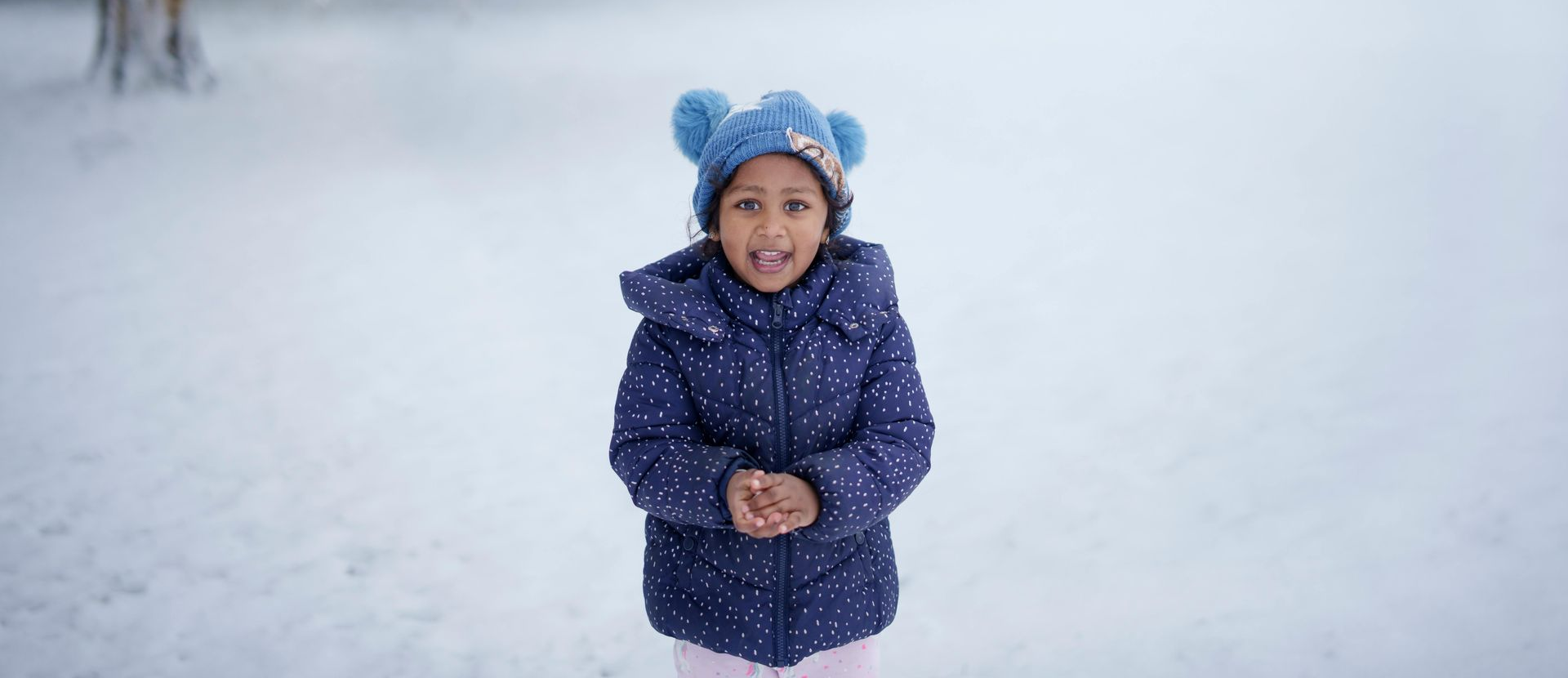
Planning a child’s surgery in January? Discover essential tips for travel, clothing, and home recovery from the experts at Alaska Pediatric Specialties.