
Black Ice Season in Alaska: Keeping Kids Safe at Play, at the Bus Stop, and in the Car
Alaska’s first cold snaps bring something sneakier than snow: black ice, a thin, clear glaze that blends right into the pavement. Nobody sees it until someone’s on the ground.
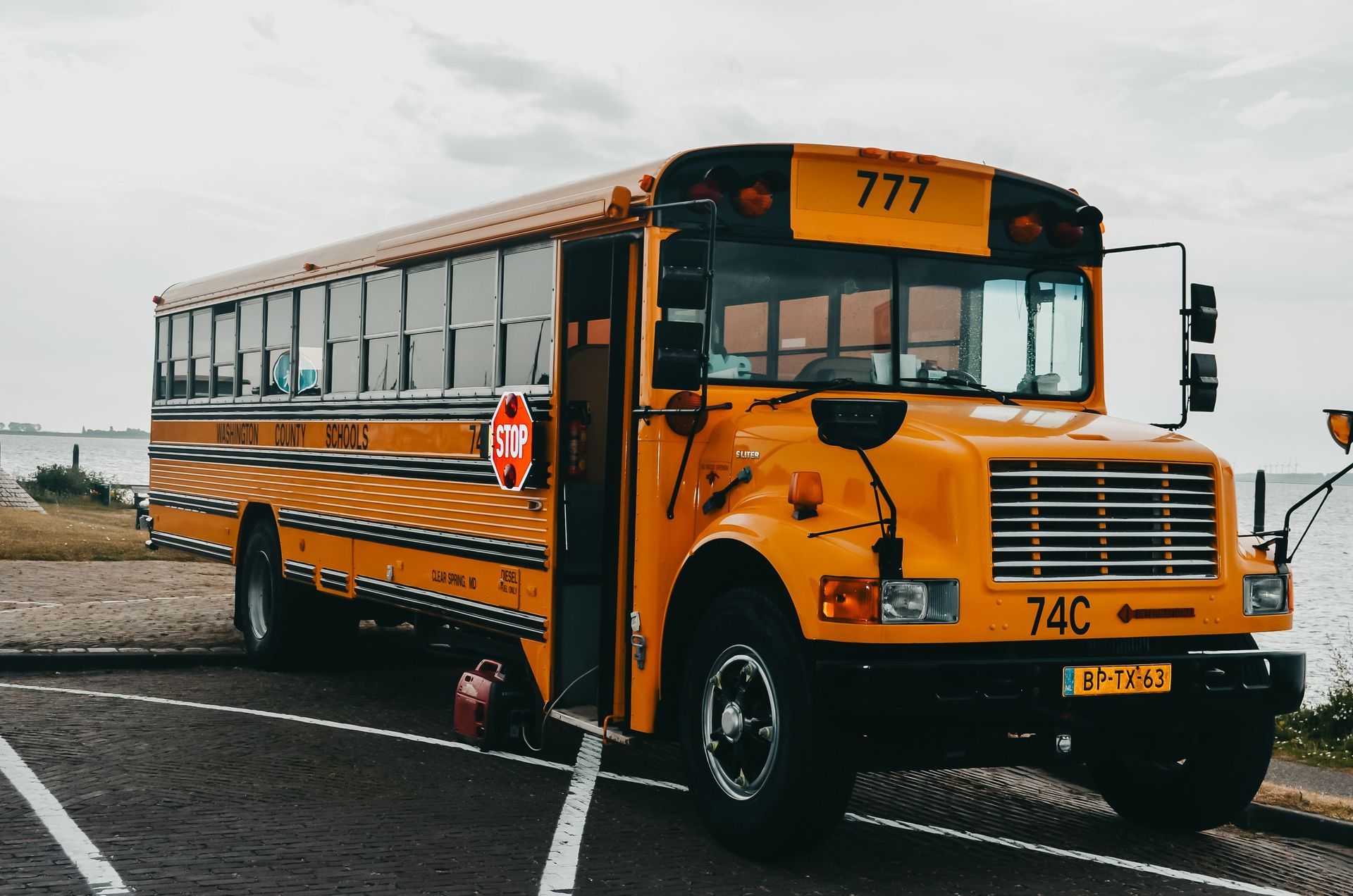
In October 2025, the Anchorage School District canceled bus service on several hillside routes because of it. Here’s how to keep your kids upright this season.
What Makes Black Ice So Hard to Spot?
It looks like wet pavement. It forms most often overnight and early in the morning when daytime melt refreezes, showing up first in shade, on driveways, and on bridges. One rule for the whole family: if it looks wet and it’s below freezing, treat it as ice.
How Can Kids Play Outside Without Getting Hurt?
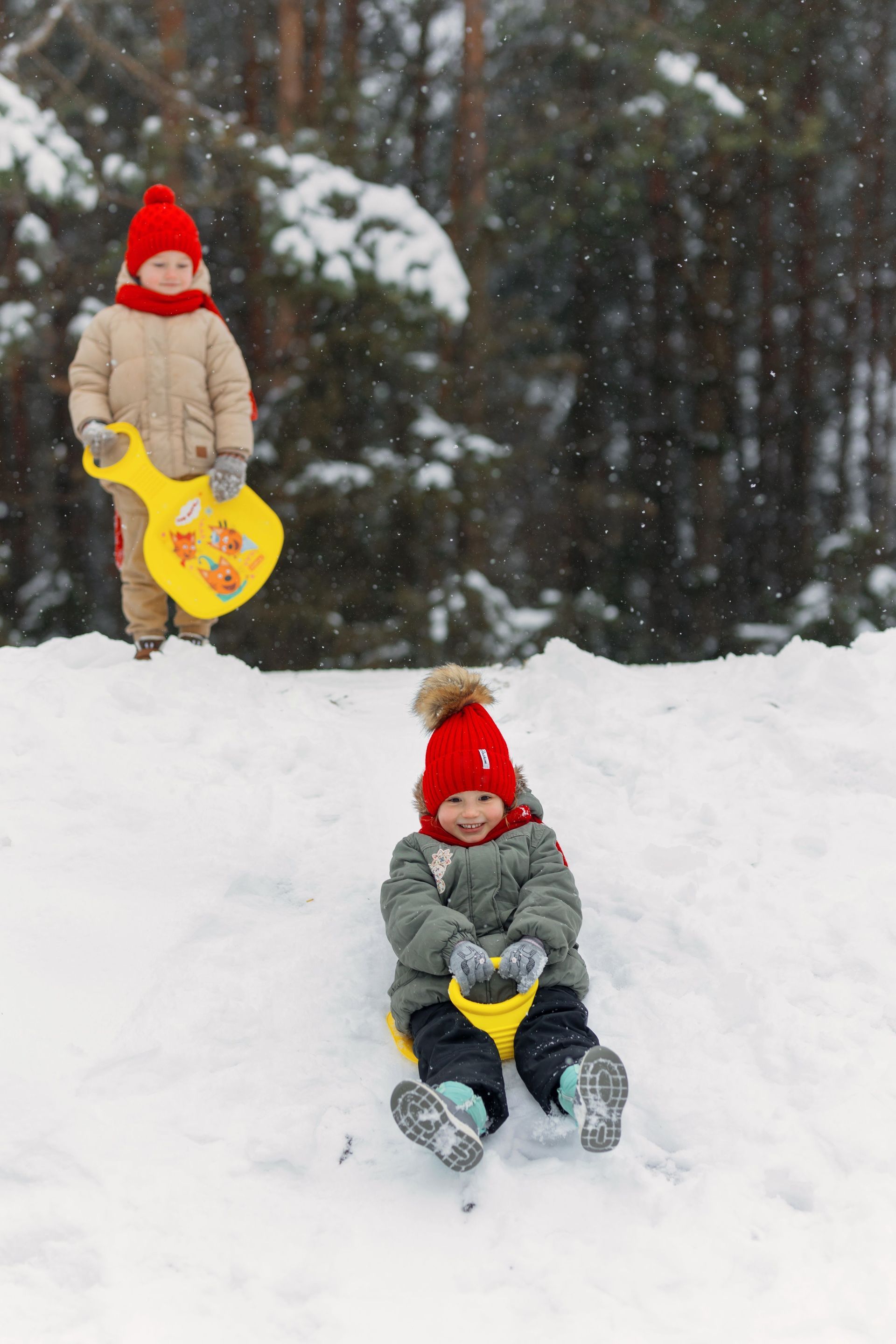
Walk the driveway, front steps, and sledding hill yourself before the kids head out. Packed sledding runs can ice over overnight and get much faster than kids expect.
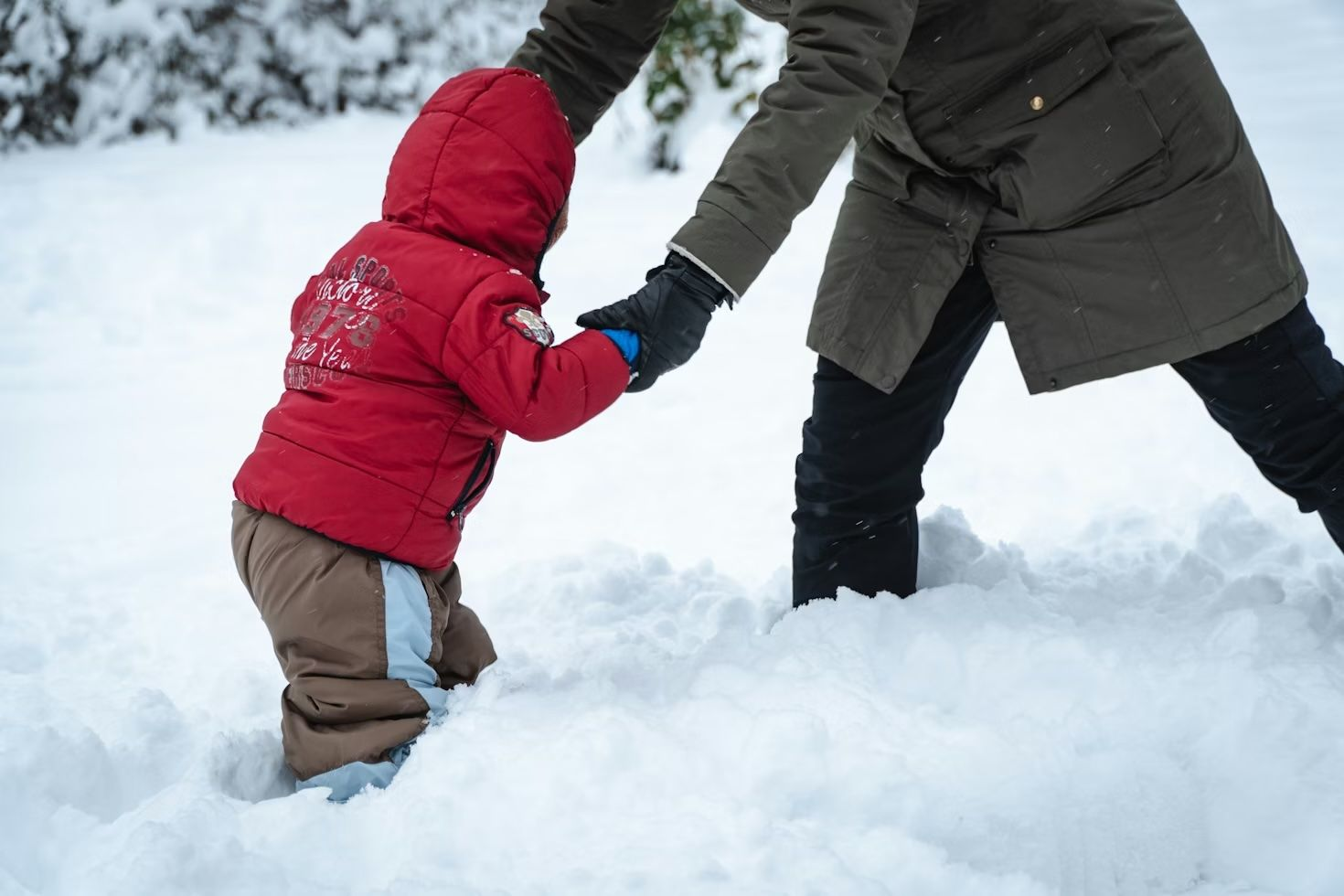
Teach kids to walk like a penguin: small shuffling steps, feet flat, arms slightly out for balance, hands out of pockets. Boots with real tread help. Slip-on ice grippers help more.
Then teach them how to fall. Kids instinctively throw their hands out, which is how a lot of winter wrist and forearm injuries happen. Relaxing, falling to the side, and tucking the chin protects both wrists and heads.

What Should Kids Know About the Bus Stop in Winter?
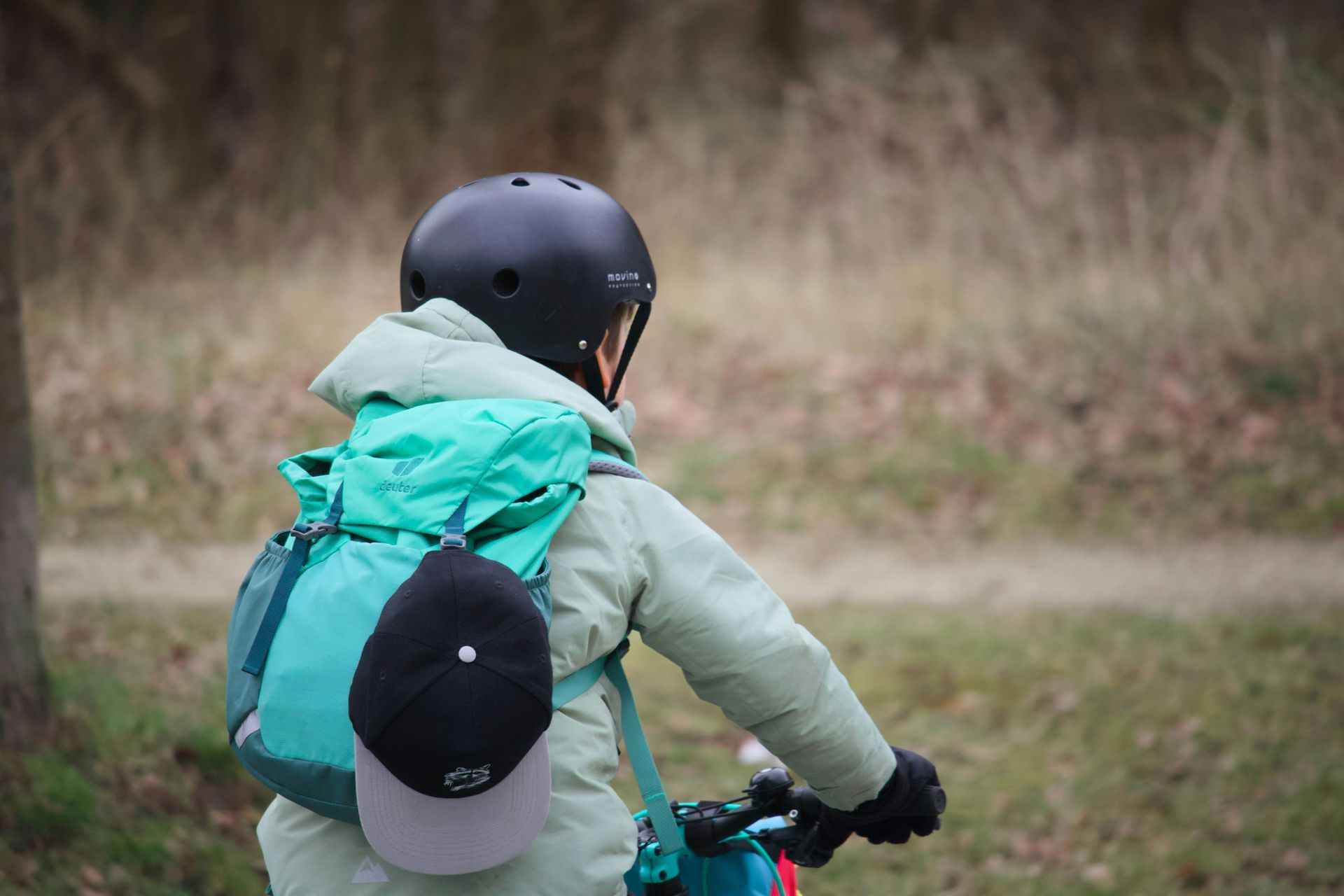
Plowed snow berms crowd the stop and push kids closer to traffic, and a car or bus on black ice needs far more room to stop. Have kids wait well back from the road, stay off berms and icy slopes, and never run for a moving bus.
How Should Parents Drive Differently?
Slow down, double your following distance, brake early, and give extra room around bus stops and school drop-off lines.
One tip that surprises parents: take bulky winter coats off before buckling kids into car seats. A puffy coat flattens in a crash and leaves the harness too loose. Buckle snug, then lay the coat on top.
When Is a Fall Worth a Call to the Doctor?
Head to the ER for any head hit followed by repeated vomiting, confusion, unusual sleepiness, or a worsening headache. If an arm or leg looks bent or out of shape, get it checked right away. Otherwise, call your pediatrician if it’s swollen, your child won’t use it, or the pain isn’t improving after a day or two.
Black ice season runs long in Alaska. A few habits now and good awareness keep it from becoming a story about a cast.
Alaska Pediatric Specialties is the only locally owned pediatric specialty group in Alaska, with clinics in Anchorage, Fairbanks, Wasilla, and communities across the state. To learn more or schedule an appointment, call
(907) 929-7337 or visit alaskapeds.com.
Recent Posts