Walking to the Bus Stop in Alaska: What Every Parent Should Know Before School Starts

Alaska Pediatric Specialties • August 21, 2026

Share this article

Back-to-school prep in Alaska means more than fitting backpacks and school supply shopping. The walk to the bus stop alone comes with risks most Lower 48 families never have to think about. Here's what parents need to know before the first bell rings in Alaska.

What Should My Child Do If a Moose Is at the Bus Stop?

Moose are common in Alaska neighborhoods, and more people are injured by moose each year than by bears. If a moose is hanging around your child's bus stop, the Alaska Department of Fish and Game recommends asking the bus driver to pick kids up a block or two away instead. Some neighborhoods organize a parent patrol to wait at the stop with kids during high-traffic moose season.


Before your child heads out of the house: teach your child to never walk between a cow and her calf. Give any moose plenty of space. Have a backup route in mind if one is blocking the usual path. If a moose charges, the advice is to curl into a ball and protect the head and neck until it moves on. It’s not something you ever want to teach your kids, but we’d rather them know than have to come see us for something serious.

Are Bears Still Active When School Starts?

Yes, and often more so. Late summer and fall is when bears enter hyperphagia, a period where they can eat up to 20 hours and gain several pounds every day to prepare for winter. That means bears are actively foraging in exactly the kind of green space many bus stops back up to.


Kids should avoid walking through wooded areas alone, especially in early morning low light. They should also know to make noise, never run, and back away slowly if they spot a bear. If bear activity has been reported in your neighborhood, it's worth changing the route rather than hoping for the best.

Why Does It Feel So Dark on the Way to the Bus Stop Already?

Because it actually is. Anchorage loses nearly three hours of daylight just over the course of August, and that trend continues sharply into September and October. A bus stop that felt bright and easy in early September can be dim or fully dark by October, and mornings will only get darker from there.


Dress kids in bright or reflective clothing, and add reflective tape or a small clip-on light to backpacks for anyone waiting at a stop before sunrise. A basic flashlight or headlamp works well for the walk itself. Colors that seem bright during the day, like yellow or orange, can look black in low light without reflective materials added.

How Can I Help Drivers Actually See My Kid?

Visibility isn't just about whether your child can see the road. It's about drivers seeing your child. Fall mornings in Alaska bring a low sun angle that creates serious glare for drivers heading into the sun, sometimes blinding them at exactly the moment a kid is stepping off a curb.


Have kids wait at least six feet back from the road, avoid using phones and headphones on the walk, and make eye contact with drivers before crossing rather than assuming a car has seen them. If your child's bus stop doesn't have a sidewalk, have them walk facing traffic to give them more reaction time than walking with their back to it.


Alaska's mornings this time of year ask a little more of both parents and kids. A few small habits go a long way toward keeping the walk to the bus stop as safe as the ride itself. Have the conversation with your child before school and throughout the first few weeks of school to make sure it all sticks with them.

Alaska Pediatric Specialties is the only locally owned pediatric specialty group in Alaska, with clinics in Anchorage, Fairbanks, Wasilla. To learn more, call (907) 929-7337 or visit alaskapeds.com.

Recent Posts

June 12, 2026
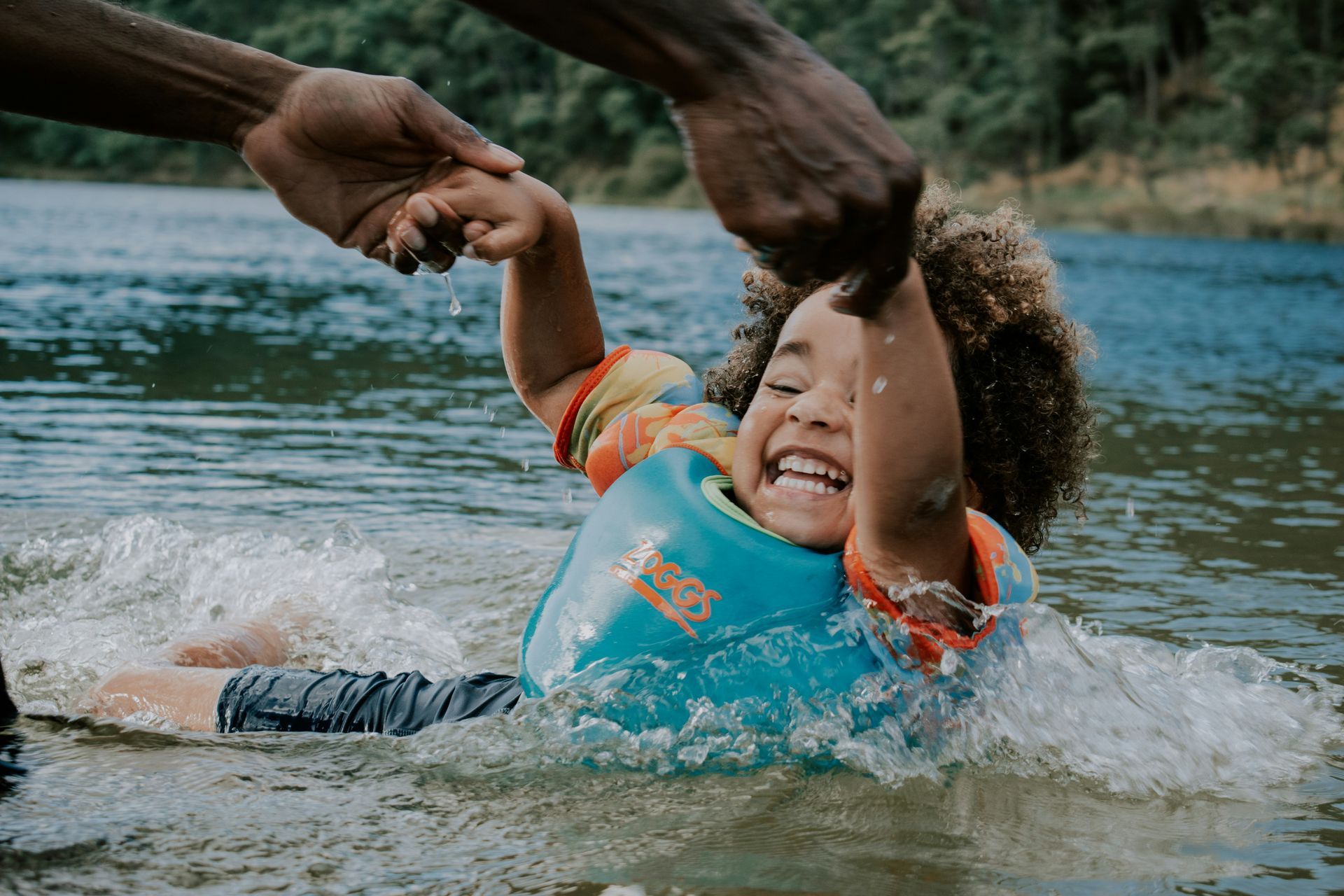
What Is Cold Water Shock and Why Should Parents Know About It?
May 21, 2026
Think you can't get sunburned in Alaska? The UV index in Anchorage hits 'high' levels every summer. Here's what parents need to know about protecting kids' skin at high latitudes.
April 23, 2026
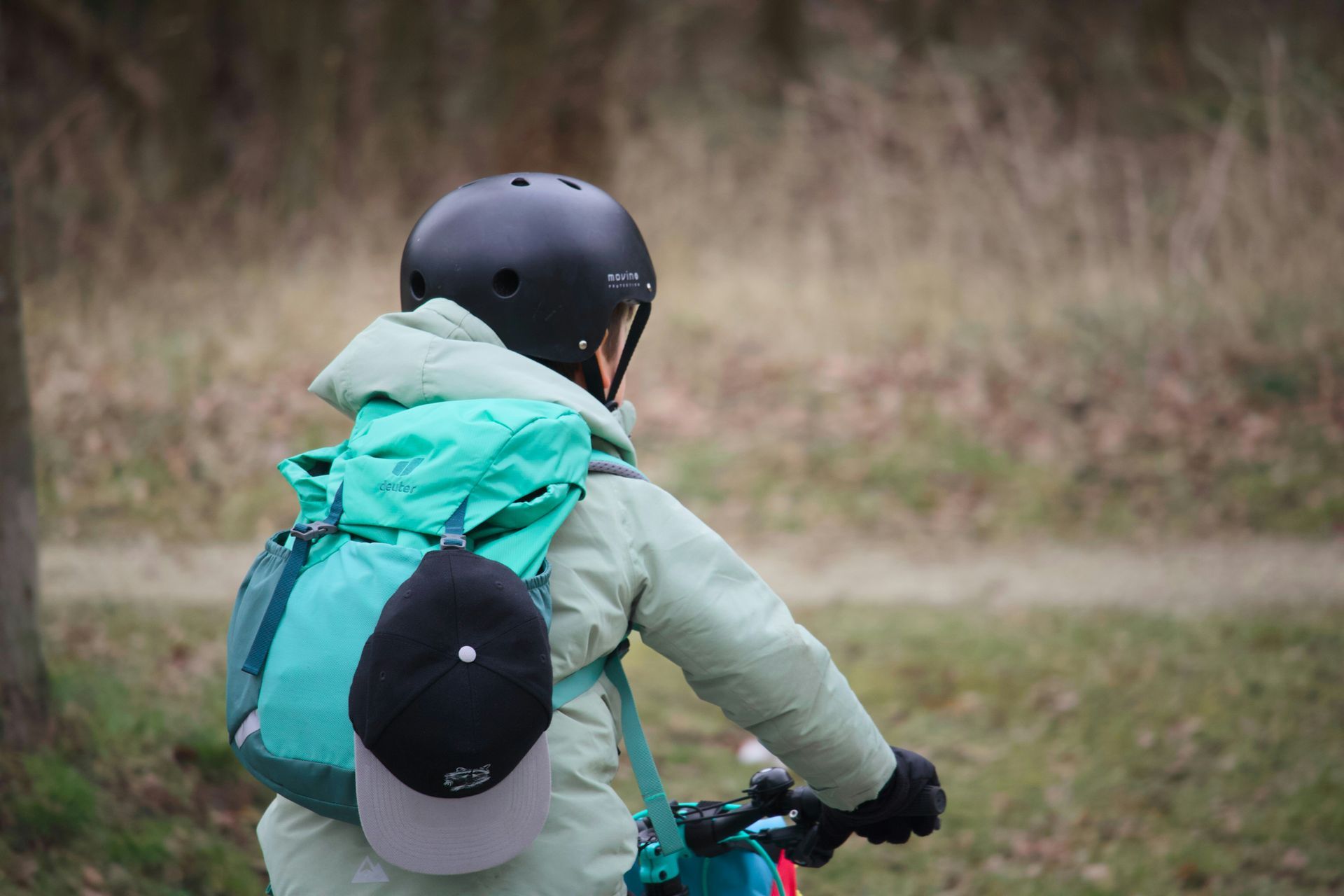
Spring in Alaska doesn't flip a switch. One day your kid is sledding down the backyard hill. The next, they're pulling a bike out of the garage while there's still snow on the ground. While they don’t need to stay inside because of the “what ifs,” here are a few questions to ask and things to know before your kids head outside during this in-between season. Is Your Kid's Helmet Actually Doing Its Job? Helmets are designed to absorb a single impact. After that, the foam inside may be compromised even if it looks fine on the outside. If the helmet has taken a hit — even one that didn't seem like a big deal — it's time for a new one. A properly fitted helmet should sit level and low on the forehead, about one to two finger-widths above the eyebrows. The straps should form a V-shape under each ear, and only one finger should fit between the chin strap and your child's chin. If it rocks forward, backward, or side to side, it doesn't fit. Kids grow fast, so check the fit at the start of every season. And if you're shopping, look for the CPSC sticker inside. That tells you it meets federal safety standards. Good news for Anchorage families: the Anchorage Fire Department is currently giving away free kids' helmets at fire stations across the city through their partnership with Safe Kids Alaska. What About That Weird Period When There's Still Snow and Bikes Are Out? Welcome to Alaska spring. The roads might be clear enough to ride, but sidewalks and trails can still be icy, muddy, or uneven — exactly the kind of surface that leads to falls. Add in a kid whose muscles haven't done much running or pedaling since October, and you've got a recipe for strains, sprains, and wipeouts. A few things that help: ease back into it. Let kids build up to longer rides and runs instead of going full speed on day one. Cold muscles are tight muscles, and tight muscles are more injury-prone — especially in Alaska's chilly spring mornings. Do Kids Really Need Visibility Gear in Spring? Yes. Alaska spring mornings are still dim early on, and drivers aren't always expecting bikes on the road yet. Bright or reflective gear, front and rear bike lights, and light-colored clothing all make a difference — especially during that early-season stretch when everyone's adjusting. What About Layering for Active Play? A good rule of thumb: shedding layers is easier than adding them. Dress kids in moisture-wicking base layers (no cotton), an insulating mid-layer, and a wind- or water-resistant outer shell. Active kids sweat even when it's 38 degrees out, and wet cotton against skin is a fast track to getting cold. Swap soggy layers when they come in for breaks. Spring in Alaska is exciting. A little prep goes a long way toward keeping it fun — and keeping your kids out of our office for anything other than a checkup. Alaska Pediatric Specialties is the only locally owned pediatric specialty group in Alaska, with clinics in Anchorage, Fairbanks, Wasilla, and communities across the state. To learn more or schedule an appointment, call (907) 929-7337 or visit alaskapeds.com .
March 17, 2026
Alaska’s winter brings snow-covered landscapes, cozy routines, and a natural slowing of daily life. For families managing pediatric gastrointestinal (GI) conditions, this season can also present unique challenges. Changes in activity levels, limited access to fresh foods, and increased exposure to seasonal illnesses can sometimes affect a child’s digestive health. With the right knowledge and support, winter can still be a time of stability, comfort, and confidence for both children and caregivers. How Winter Can Affect Pediatric GI Health Cold temperatures and shorter days often lead to shifts in routines. Children may be less active, spend more time indoors, and gravitate toward comfort foods. For kids with GI conditions such as reflux, constipation, irritable bowel symptoms, celiac disease, or inflammatory bowel conditions, these changes may contribute to symptom flares. Winter illnesses, dehydration, and disruptions to sleep can also play a role. The good news is that awareness and preparation can make a meaningful difference. Many families find that winter is an opportunity to build consistent habits that support digestive health. Nutrition Tips for Alaska’s Winter Months Nutrition remains one of the most powerful tools for managing pediatric GI conditions, even when fresh produce is harder to come by. Focus on warm, nourishing meals: Soups, stews, and slow-cooked dishes are gentle on digestion and easy to tailor to your child’s dietary needs. Use frozen and shelf-stable options: Frozen fruits and vegetables retain much of their nutritional value and are often easier to access during winter. Prioritize fiber and fluids: Constipation can be more common in colder months. Encourage fiber-rich foods that your child tolerates well and remind them to drink water regularly, even when they don’t feel thirsty. Maintain routine meal times: Predictable eating schedules can help regulate digestion and reduce discomfort. If your child follows a specialized diet, such as gluten-free or low-FODMAP, planning ahead can help ensure consistent nutrition throughout the season. Recognizing and Managing Symptom Flares Despite best efforts, flares can still happen. Pay attention to changes such as increased abdominal pain, bloating, changes in bowel habits, nausea, vomiting, or unexplained fatigue. Keeping a simple symptom or food log during winter months can help identify patterns and triggers. During flares, gentle meals, adequate rest, and stress reduction can be helpful. Emotional well-being matters too, as stress and anxiety can influence gut health, especially in children. When to Seek Help It’s important to reach out to a pediatric GI specialist if symptoms are persistent, worsening, or interfering with your child’s daily life. Warning signs that should prompt a call include: Ongoing abdominal pain or vomiting Blood in stool Poor weight gain or weight loss Severe constipation or diarrhea Symptoms that do not improve with usual management strategies Early evaluation can help prevent complications and provide reassurance during the winter months. Supporting Your Child All Season Long Winter in Alaska encourages families to slow down, connect, and create supportive routines. By focusing on balanced nutrition, monitoring symptoms, and knowing when to seek guidance, families can help children with GI conditions thrive year-round. At Alaska Pediatric Specialties, our team is here to support families through every season. With the right care and partnership, winter can be a time of resilience, growth, and continued digestive health for your child.
By Alaska Pediatric Specialties February 18, 2026
Alaska’s coldest month can feel especially long for families navigating childhood cancer treatment. Short daylight hours, extreme temperatures, and limited outdoor activity add layers of challenge to an already demanding journey. Yet even during the deepest cold, there are meaningful ways families, caregivers, and medical teams can help children feel supported, safe, and hopeful. At Alaska Pediatric Specialties, we recognize that caring for a child with cancer extends far beyond medical treatment. Emotional comfort, routine, and connection play a vital role in helping children thrive, even during winter’s harshest weeks. Creating Warmth Beyond the Weather Cold temperatures often mean more time indoors, which can be both a challenge and an opportunity. Creating a cozy, comforting environment at home or in the hospital helps children feel secure. Favorite blankets, warm pajamas, stuffed animals, and familiar items can provide reassurance during treatments and recovery. Consistency also matters. Keeping regular routines for meals, sleep, schoolwork, or play helps children feel a sense of normalcy, even when their days include medical appointments or hospital stays. Supporting Emotional Well-Being Children undergoing cancer treatment may experience fear, frustration, or sadness, feelings that can feel amplified during dark winter months. Encouraging open conversations about emotions helps children feel heard and understood. Simple check-ins like “How are you feeling today?” can go a long way. Creative outlets are especially helpful in winter. Drawing, storytelling, music, or simple crafts allow children to express emotions they may not yet have words for. These activities also provide moments of joy and distraction during difficult days. Staying Connected During Winter Isolation Alaska’s winter weather can limit travel and social interaction, but staying connected remains essential. Video calls with friends, classmates, or extended family help children maintain important relationships. For school-aged children, virtual learning or tutoring can provide structure while keeping them engaged academically and socially. Healthcare teams also remain a critical source of connection. Regular communication with providers helps families feel supported and reassured, even when weather conditions make travel more difficult. Prioritizing Physical Comfort and Health Cold weather can impact immune health, which is especially important for children undergoing cancer treatment. Dressing in layers, keeping indoor spaces warm, and practicing good hygiene all support physical well-being. Families should feel empowered to ask their care team questions about winter-specific concerns, including travel safety and infection prevention. Finding Strength and Hope in the Season While Alaska’s coldest month brings challenges, it also reflects resilience. Children facing cancer treatment often show incredible strength, adaptability, and courage, qualities mirrored in the Alaskan spirit itself. Celebrating small victories, whether it’s completing a treatment, enjoying a favorite activity, or sharing a laugh, helps build hope during the darkest days. At Alaska Pediatric Specialties, we are honored to support children and families throughout every season of care. Even in the coldest month, warmth can be found in compassion, connection, and the shared goal of helping every child heal and thrive.
Girl in blue coat and hat in a snowy park, open mouth, looking forward.
By Alaska Pediatric Specialties January 27, 2026
Planning a child’s surgery in January? Discover essential tips for travel, clothing, and home recovery from the experts at Alaska Pediatric Specialties.